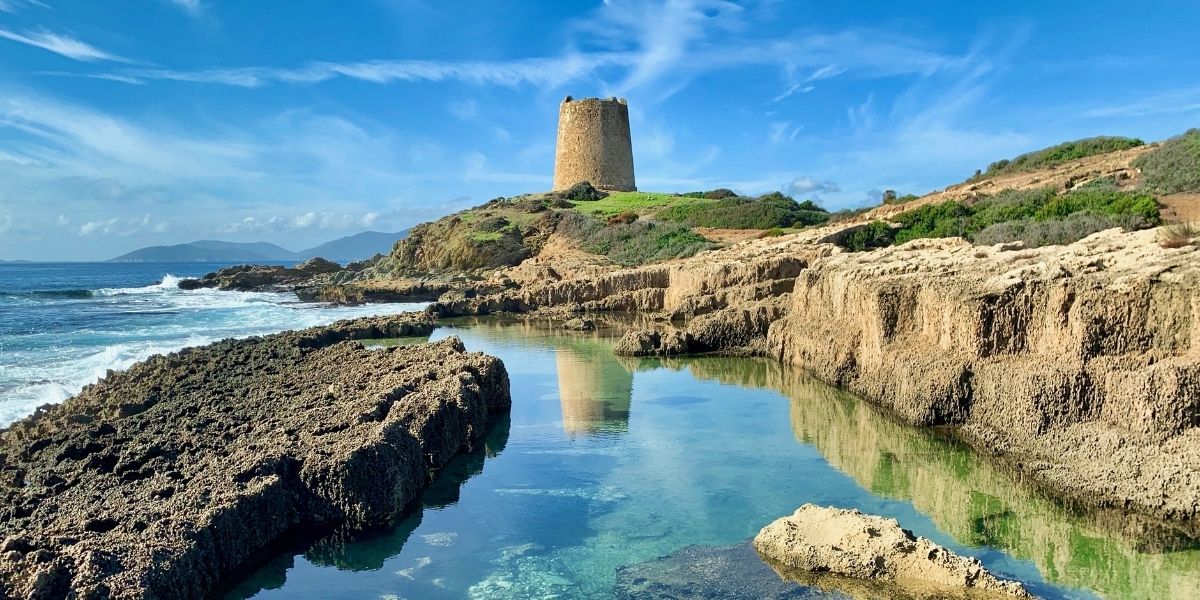
Sardinia may look like a Mediterranean beach paradise at first glance—and yes, the coastline is spectacular—but this island is also one of Europe’s most culturally rich, historically layered, and naturally diverse places. Its distinct identity isn’t just a regional variation of Italian culture—it’s an entirely different world, shaped by thousands of years of invasions, migrations, myths, and fiercely preserved traditions.
Whether you’re a history lover, culinary explorer, or nature enthusiast, here’s why Sardinia should be at the top of your travel list.
1. Sardinia is Home to One of Europe’s Most Mysterious Ancient Civilizations

The Nuragic civilization, unique to Sardinia, emerged around 1800 BCE during the Bronze Age. They left behind more than 7,000 megalithic stone towers known as nuraghi, which still dot the island’s landscape like giant prehistoric watchtowers. Some nuraghi are simple single towers, while others are part of complex villages with circular stone huts, communal meeting spaces, and sacred wells.

The Su Nuraxi di Barumini, a UNESCO World Heritage Site, is the most famous and complete example. It’s a massive, multi-towered complex built without mortar, with interlocking stones weighing several tons—a feat of engineering that has puzzled archaeologists for decades. These structures are older than Rome, and their true purpose—fortress, temple, communal hub, or all of the above—is still debated.
⛏️ Visit This Special Site: Walk through a Bronze Age stronghold that predates Rome. On this immersive day tour to Su Nuraxi, Sardinia’s most iconic Nuragic site and a UNESCO World Heritage marvel, you’ll explore ancient stone towers, dwellings, and a mysterious meeting hut that’s stood for over 3,000 years. With round-trip transport from Cagliari included, it’s a seamless way to uncover one of Europe’s oldest civilizations.
⭐⭐⭐⭐⭐ Recommended by over 99% of our traveler readers!
Book the Su Nuraxi Tour →
Fun fact: The Nuragic people had no written language, so nearly everything we know about them comes from the architecture and artifacts they left behind.
2. Visiting Sardinia Feels Like Stepping Into Another Country
Despite being part of Italy politically, Sardinia’s cultural DNA is entirely distinct. Its history has seen waves of colonization—Phoenicians, Carthaginians, Romans, Byzantines, Spanish, and even the Savoy dynasty—all of which left their imprint. Yet the island never quite assimilated into any empire’s culture, maintaining its own language (Sardinian or “Sardu”), customs, and fiercely independent identity.
Even within Sardinia, cultural differences between regions are vast. In Alghero, for instance, Catalan is still spoken—a remnant of 14th-century Aragonese colonization. Meanwhile, inland mountain villages may feel almost Balkan or Basque in their traditions and worldview.
Insider tip: Don’t be surprised if a local corrects you when you say “Italian food” in reference to their cuisine. “We’re not Italy,” they’ll say with a smile—and they mean it.
3. The Cuisine is Unlike Anywhere Else in Italy

Sardinian food isn’t your typical Italian fare. Instead of pasta with tomato sauce (which they also have their own versions and is delicious) or Neapolitan pizza, think roasted suckling pig (porceddu), culurgiones (potato-and-mint-filled dumplings), and malloreddus (a ridged semolina pasta served with sausage and saffron). Much of the cuisine comes from ancient shepherding traditions, especially in the interior where pastoral life still dominates.
Then there’s bottarga, cured grey mullet roe, known as “Mediterranean caviar.” Sliced or grated over pasta, it’s salty, briny, and packed with umami—an acquired taste, but a prized delicacy among food lovers.
Cheese lovers will also discover pecorino sardo, a hard sheep’s milk cheese aged in caves, and yes—even the infamous casu marzu, a fermented cheese containing live insect larvae, which is only legally consumed in Sardinia.
🍝 Taste Your Way Through Tradition: Experience Cagliari like a local on this expertly guided Sardinian food tour, where every stop reveals the island’s culinary soul. From handmade fregola pasta and crispy pane carasau to market-fresh bites and authentic street food, you’ll eat your way through vibrant squares, hidden trattorias, and bustling markets. End the journey on a sweet note with traditional Sardinian desserts.
⭐⭐⭐⭐⭐ Loved by food-loving travelers from around the world!
Book the Cagliari Food Tour →
Pro tip: Join a farmhouse agriturismo experience where you can enjoy a traditional meal prepared with ingredients sourced within walking distance.
4. You Can Sip a Wine Linked to Longevity

The Cannonau grape, native to Sardinia, has a fascinating backstory. Long considered a regional variant of Grenache, recent studies suggest Cannonau may actually predate its French and Spanish counterparts, making it one of the oldest cultivated wine grapes in the Mediterranean.
But the real intrigue? Sardinians—particularly men from the central region of Ogliastra—live longer than almost anyone else in the world. It’s one of five global Blue Zones, regions where a high percentage of people live to be 100 or older. Researchers have tied this longevity to a combination of lifestyle, diet, and—yes—moderate daily consumption of Cannonau wine, which is particularly high in antioxidants.
🍷 Sip, Savor, and Stroll the Vines: Discover Sardinia’s winemaking heritage on this half-day tasting experience from Cagliari, where you’ll visit one of the island’s most esteemed wineries. Walk the vineyards, tour traditional production facilities, and enjoy guided tastings of local varietals—all led by a certified sommelier. Finish with regional food pairings and a relaxed brunch that brings Sardinia’s flavors full circle.
⭐⭐⭐⭐⭐ A favorite among wine-loving travelers—an unforgettable tasting journey!
Book the Sardinian Wine Tour →
Want to go off the beaten path? Try this: A vineyard tour in Mamoiada or Jerzu, where winemakers will often share homemade cured meats and bread alongside tastings.
5. The Beaches Rival the Caribbean (But Without the Crowds)
Sardinia’s beaches are not overhyped—they truly are that stunning. La Maddalena Archipelago in the northeast offers untouched islands with pink-sand coves and translucent waters. Cala Goloritzé, accessible only by foot or boat, is a natural monument known for its limestone cliffs and electric blue shallows.

Further south, the Costa Rei and Villasimius coastlines offer wide stretches of golden sand and shallow waters perfect for families. And on the west coast, Is Arutas has beaches made not of sand, but of quartz grains—shimmering white and pink like crushed glass.
Recommended Sardinian Boat & Beach Tours

🌊 Unwind on Sardinia’s Southern Shores: Discover the stunning coastline of Villasimius, one of Sardinia’s most sought-after beach destinations, on this relaxing day tour. Visit three breathtaking beaches, each with turquoise waters, dramatic granite cliffs, and soft sands perfect for swimming or sunbathing at your own pace. With beach gear, Wi-Fi, and air-conditioned transport included, it’s the ideal way to experience the island’s southeastern beauty—stress-free.
⭐⭐⭐⭐⭐ A must for beach lovers seeking crystal-clear waters and unforgettable views!
Book the Villasimius Beach Tour →
⛵ Cruise Through Paradise: Spend a day exploring the crystal-clear waters and pristine beaches of the La Maddalena Archipelago on this comfortable, small-group boat tour. Swim off the shores of Spargi, Santa Maria, and the famous pink sands of Budelli, then dock on La Maddalena Island for time to wander, shop, or dine at your leisure. With plenty of space on board and multiple swim stops, it’s a perfect escape into Sardinia’s most breathtaking seascapes.
⭐⭐⭐⭐⭐ Consistently rated one of Sardinia’s most unforgettable day tours!
Book the La Maddalena Boat Tour →
Fun fact: Many of these beaches remain uncrowded even in high season because they’re slightly harder to reach, keeping mass tourism at bay.
6. Traditional Festivals Offer Raw, Living History
Sardinia’s festivals are not polished for tourists—they’re expressions of local identity and ancestral ritual. In Oristano, the annual Sa Sartiglia is a medieval horseback joust where masked riders gallop at full speed to spear a suspended star—a blend of Christian and pagan tradition that dates back to the 15th century.
In Mamoiada, the Mamuthones and Issohadores parade during Carnival dressed in dark sheepskins and terrifying masks, reenacting ancient fertility and purification rituals. No one quite agrees on the full meaning—some say it predates Roman times—but it’s haunting, mesmerizing, and completely authentic.
Best time to visit: Late January to March for Carnival and fire festivals, or August for the Ferragosto celebrations.
7. You Can Walk Inside Tombs and Towers That Pre-Date Rome
The Giants’ Graves (Tombe dei Giganti) are megalithic collective tombs from the Bronze Age, often over 30 feet long and fronted by massive curved stone slabs. They’re named not because giants existed—but because locals once believed they did, based on the scale of these burial sites.
In contrast, the nuraghi—especially the multi-towered sites like Su Nuraxi, Nuraghe Santu Antine, or Nuraghe Losa—reveal a remarkably complex and organized prehistoric society.
You can climb narrow stone staircases inside the towers, explore ancient dwellings, and even find sacred Nuragic wells, like the one at Santa Cristina, aligned with the moon during solstices—suggesting advanced astronomical knowledge.
Recommended Sardinian Archeology, Food & Wine Tour

🏺 Ancient Stones & Local Flavors: Journey along Sardinia’s unspoiled coastline in a luxury off-road vehicle and uncover layers of history and natural beauty. Visit Nuraghe Gulunie, a prehistoric stone monument with sweeping views, then explore coastal wetlands teeming with wildlife. Cap off the day at a family-run vineyard, where you’ll enjoy a personal tour, pecorino cheese, and local wines guided by the winemaker himself.
⭐⭐⭐⭐⭐ A favorite for travelers seeking a deeper connection to Sardinia’s past and present!
Book the Archaeology & Vineyard Tour →
8. Wild Horses and Flamingos Roam the Landscape

Sardinia is a haven for wildlife you wouldn’t expect to find in Europe. In the Giara di Gesturi, wild Cavallini della Giara—a unique breed of small, hardy horses—have lived undisturbed for centuries on a volcanic plateau, grazing in seasonal ponds called paulis.
Meanwhile, near Cagliari, the Molentargius-Saline Regional Park is one of the few places in Europe where pink flamingos breed year-round. The park, once used for salt extraction, is now a protected wetland with walking and cycling paths.
Photographer’s tip: Visit the Giara in spring, when wildflowers bloom and herds of horses can be seen reflected in shallow pools.
9. Sardinia Has One of Europe’s Wildest and Least-Touched Landscapes

Away from the coast, Sardinia is a rugged paradise for hikers, bikers, and explorers. The Gola Su Gorropu, often dubbed “Europe’s Grand Canyon,” plunges 500 meters between limestone cliffs and is filled with endemic plants and ancient legends. According to local folklore, only those without sin can pass through the narrowest part of the gorge.
The Selvaggio Blu trail, a 7-day coastal trek in the east, is considered one of Europe’s toughest and most beautiful hikes, combining cliff scrambling with overnight bivouacs under the stars.
🌄 Where Mountains Meet the Emerald Sea: Travel the legendary SS 125 scenic route to the dramatic cliffs above Cala Biriola, one of Sardinia’s most awe-inspiring coastal vistas. Take in panoramic views where turquoise waters meet sheer limestone mountains—an iconic gateway to the Selvaggio Blu. Your journey ends with a traditional food and wine experience, honoring the island’s rich culinary roots in a setting as unforgettable as the flavors.
⭐⭐⭐⭐⭐ Perfect for travelers seeking Sardinia’s wild beauty and authentic culture in one unforgettable day.
Book the Cala Biriola Private Tour →
Solo adventurers: We highly recommend a certified local guide like the above for trails like Selvaggio Blu or Su Gorropu to ensure safety and deeper cultural insight.
🧭 Final Thought
Sardinia isn’t just an island—it’s a world apart. Its layers of history, untouched landscapes, and fiercely preserved traditions make it one of the most fascinating destinations in Europe. Whether you’re stepping into a 3,000-year-old tomb, sipping Cannonau in a hillside vineyard, or wandering a pink beach with no one else around, Sardinia offers something few places can: the feeling of true discovery.
👉 Next Up: Explore the island’s top archaeological and historical sites in detail, plus the best ways to visit them with local experts or on your own. Read the full guide here →
FAQs About Visiting Sardinia
The most convenient way to reach Sardinia is by air or ferry. The island has three major airports: Cagliari Elmas (CAG) in the south, Olbia Costa Smeralda (OLB) in the northeast, and Alghero-Fertilia (AHO) in the northwest. Direct flights are available from major Italian cities and several European hubs, especially during summer. Ferries also run regularly from ports like Genoa, Livorno, Civitavecchia, and even from Corsica or Barcelona, making it easy to bring your own vehicle.
Yes, renting a car is highly recommended if you want to explore Sardinia beyond the main cities and beaches. Public transportation exists but is limited in rural areas, and many of the island’s most stunning beaches, archaeological sites, and natural attractions are only accessible by car or guided tour. For those staying in one area, however, buses and taxis are sufficient for short local trips. You can also explore the island by bike by renting a bike from Dolcevita Bike Rentals.
The ideal time to visit Sardinia is during late spring (May–June) or early autumn (September–October). These months offer warm weather, fewer crowds, and lower prices compared to the peak summer season. July and August are popular but can be very hot, crowded, and expensive—especially in coastal towns. Autumn is also harvest season, making it perfect for wine lovers and culinary travelers.
To experience a meaningful mix of beaches, culture, and historical sites, plan to spend at least 7 to 10 days in Sardinia. The island is much larger than most travelers expect, and driving between regions can take several hours. A longer stay allows time to explore multiple areas like Cagliari, Costa Smeralda, Barbagia, and the La Maddalena Archipelago without rushing.
Sardinia can be surprisingly affordable, especially if you travel outside of July and August. While luxury resorts and beach clubs in places like Porto Cervo cater to high-end travelers, the interior regions and smaller towns offer great value. Farm stays (agriturismi), local trattorias, and off-the-beaten-path beaches help keep costs reasonable. Renting a car and self-catering in local markets also makes Sardinia a good option for budget-conscious travelers.
